

Amazon Seller Purchasing Agent China: A Buyer’s Planning Checklist
A practical guide to amazon seller purchasing agent china, including service scope, workflow, quotation factors, common risks and questions for global buyers.
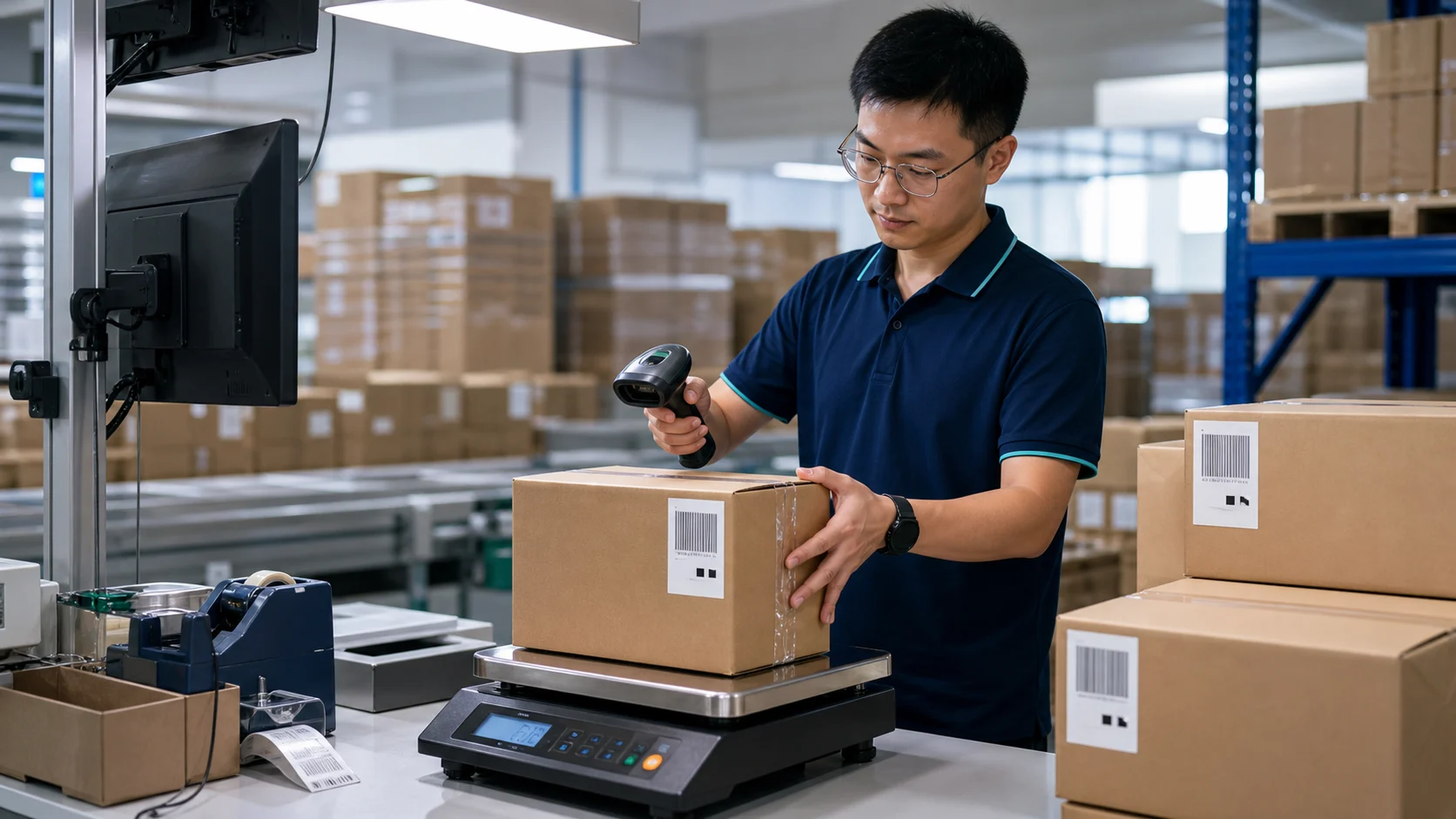
amazon seller purchasing agent china is a search phrase used by buyers who need more control over products, suppliers or delivery in China. The phrase may look simple, but the commercial decision behind it involves several connected questions: who is responsible, what is included, how goods are approved and what happens when the real order differs from the plan.
In practical terms, the topic refers to a preparation workflow performed in China before approved inventory is released toward an Amazon fulfillment destination. A professional service should convert a broad request into a documented workflow, rather than relying on informal messages and assumptions.
This search is tied to a channel-specific requirement. The seller should provide current Seller Central files and shipment instructions because labels and preparation rules can vary by marketplace, product and plan.
What should amazon seller purchasing agent china include?
The exact scope depends on the order, but buyers should expect the provider to explain the boundary between included work, separately quoted work and activities it does not provide. For this topic, a practical scope can include:
- Supplier inventory receiving and quantity comparison.
- Basic product and packaging checks.
- Customer-supplied fnsku and carton label application.
- Poly bagging, protection and packaging preparation.
- Multi-supplier inventory consolidation.
- Handoff to the confirmed freight or carrier plan.
Not every order needs every activity. The important point is that the chosen services connect. When purchasing, receiving, inspection, packaging, storage and freight are managed separately, information can be lost at each handoff. A written operating plan reduces that risk.
A practical workflow for overseas buyers
The following sequence provides a useful starting model. It should be adjusted for the actual product, supplier, platform, destination and service agreement.
- Provide the current shipment plan. Send the applicable marketplace, SKU quantities, labels, packing rules and destination information.
- Receive supplier inventory. Match incoming goods to the expected products and report visible or quantity exceptions.
- Prepare each unit. Apply the approved labels and packaging instructions supplied for the shipment.
- Build the cartons. Consolidate and prepare cartons according to the current customer-approved plan.
- Release to the route. Coordinate the confirmed freight or carrier handoff and retain preparation records.
A good China-side workflow makes three things visible: the approved instruction, the person responsible for the next action and the evidence needed before goods move forward.
What affects the quotation?
A provider cannot prepare a dependable quotation from the keyword alone. Commercial scope and cost normally depend on a combination of the following factors:
- Unit count
- Sku count
- Label types
- Poly bags or packaging materials
- Inspection level
- Carton plan
- Destination marketplace
Ask the provider to separate service fees, materials, third-party work, storage, freight and possible exception charges. This makes quotations easier to compare and reduces disputes after goods arrive. If a service is described as complimentary, the applicable quantity, time, order and material limits should still be written down.
Questions to ask before choosing a provider
- Which exact activities are included in the quotation?
- Which activities require customer approval before work begins?
- How are incoming quantities, visible issues and supplier differences reported?
- What materials, storage, rework or third-party costs are separate?
- How are customer data, supplier documents and payment records handled?
- What happens when goods do not match the approved order?
- Which products, countries or service requests are restricted?
Common planning mistakes
Using outdated shipment labels
Amazon instructions can vary by marketplace, product and shipment plan. The seller should provide current files from Seller Central.
Assuming preparation guarantees acceptance
An independent prep provider can follow instructions but cannot guarantee a platform decision.
Ignoring freight requirements
Preparation, carton data, customs documents and freight booking should be coordinated as one shipment.
How Oushine approaches amazon seller purchasing agent china
Oushine Agency China Co., Ltd. works as a purchasing, operations and fulfillment partner for global e-commerce brands, Amazon sellers, importers and wholesalers. The objective is to keep approved supplier activity, physical inventory and international delivery inside one practical China-side workflow.
Oushine can connect approved purchasing, supplier goods receiving, basic inspection, repackaging, labeling, qualifying storage, multi-supplier consolidation and air or sea DDP shipping. Availability, complimentary-service limits, payment eligibility and route conditions are confirmed for the actual order. Unsupported speed, acceptance or customs guarantees are not part of the service promise.
Frequently asked questions
Can FNSKU labels be applied in China?
Yes. The seller should provide the correct current files and approve how each label is applied.
Can prepared goods ship directly to an Amazon warehouse?
Suitable routes may be available when destination, customs, carrier and shipment-plan requirements are confirmed.
Is Oushine affiliated with Amazon?
No. Oushine is an independent service provider. Amazon is a trademark of Amazon.com, Inc.
Final checklist
Before acting on a search for amazon seller purchasing agent china, document the product, approved supplier status, quantities, commercial value, preparation rules, shipment size, destination and required timing. Then compare providers using written scope and operational controls—not only a headline price.
This article provides general operational guidance. Product compliance, tax, customs, platform and financial requirements should be confirmed for the specific transaction and destination before goods or payments are released.