
Quality Hold Inventory in China: Release Control Guide
Control quality hold inventory in China with clear stock statuses, defect records and written release rules before goods are packed or shipped to customers.
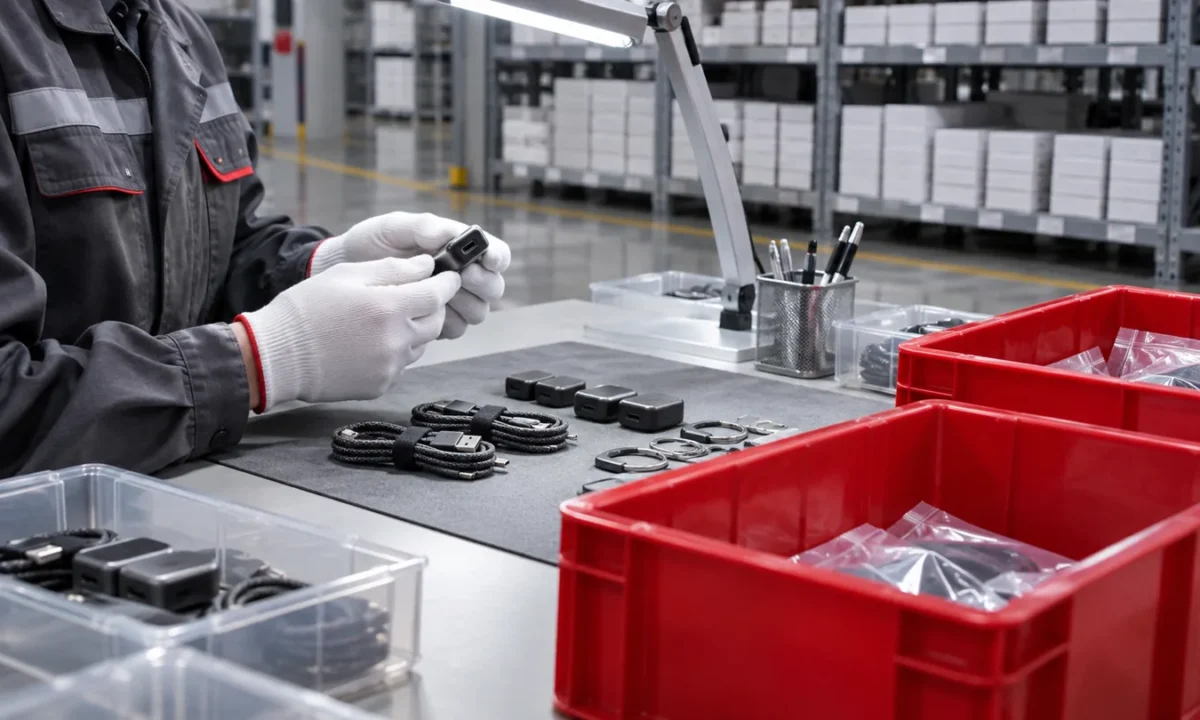
Quick summary: Quality hold inventory is stock that is physically present but has not been approved for sale or shipment. A useful control process links physical segregation, item-level records and a named release authority so unresolved goods cannot enter an outbound order accidentally.
1. Why receiving does not equal approval
A delivery can arrive on time and still need inspection, quantity reconciliation or packaging correction. If the warehouse immediately treats every received unit as available, those units may be allocated before the buyer has reviewed the evidence.
For brands working with several Chinese suppliers, the practical issue is visibility: which batch arrived, what was checked, which units are held and who can authorize the next step? A written hold-and-release process answers those questions before an urgent order creates pressure to improvise.
Shopify distinguishes available, incoming and unavailable inventory, including unavailable stock held for quality control. That platform terminology can inform a status map, but it does not establish that a particular warehouse integration supports the required workflow. Validate actual behavior before connecting a fulfillment provider.
2. A quality hold inventory process for China operations
2.1 Define status meanings before goods arrive
Use a small, unambiguous set of operational statuses:
| Proposed status | Meaning | Shipment permission |
|---|---|---|
| Received, pending review | Delivery recorded, approval incomplete | No |
| QC hold | Issue or inspection decision pending | No |
| Rework pending | Approved corrective action outstanding | No |
| Released | Required checks and authority recorded | Yes, within the order scope |
| Return authorized | Supplier return approved | Return movement only |
These are recommended workflow labels, not a claim about Oushine's software or a required industry standard. Map them to each system's supported fields.
2.2 Record what is held and why
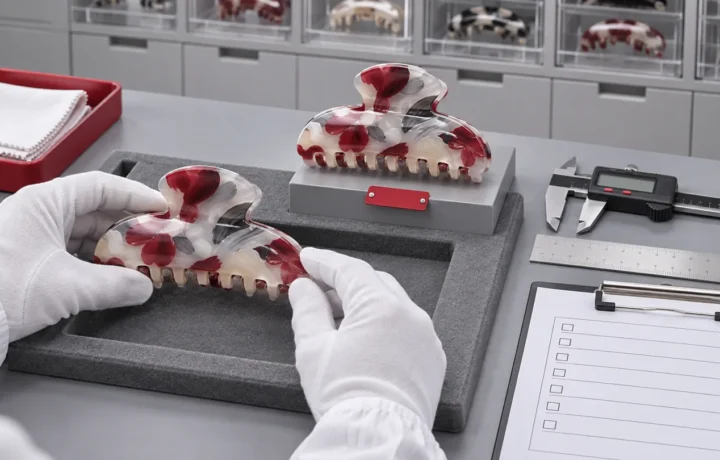
Create a record containing supplier, purchase-order reference, SKU, batch or receiving reference, affected quantity, location, issue description and photographs. Distinguish an observed defect from a suspected issue that requires more evidence.
Agree the inspection criteria in advance. An approved sample can help explain appearance expectations, while a written checklist defines what must be checked and how variations are handled. State whether the inspection is sampled or covers every unit; do not infer that a sample result proves every unit conforms.
2.3 Authorize a disposition and verify completion
The buyer should identify who may approve rework, supplier return, acceptance under a written concession or other handling. Record the decision, affected quantity and any cost approval before work begins.
After corrective work, document the agreed verification before release. If only part of a batch is cleared, preserve the distinction between released and held quantities. Update both the physical location and the inventory record.
3. Preventing mistakes between systems
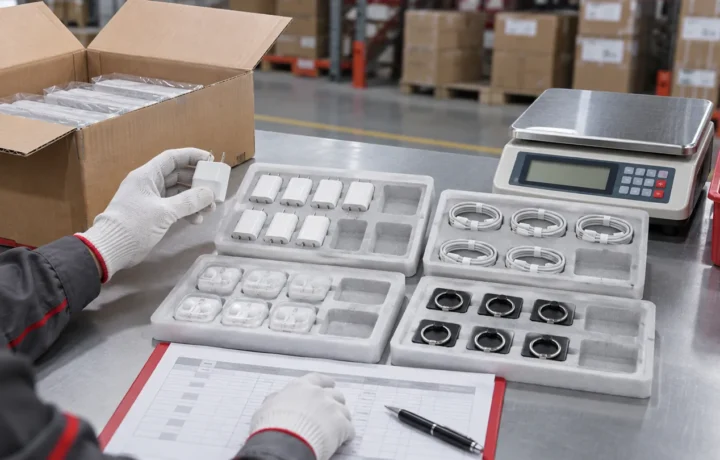
A hold can fail when a spreadsheet says one thing and the order system says another. Test the sequence with a small agreed pilot: receipt, hold, allocation attempt, partial release, picking and dispatch. Confirm how each event changes sellable stock.
Ask whether existing stock at a US location stays separate from China stock, whether failed updates trigger an alert and how manual changes are reconciled. Oushine's workflow and any Shopify connection must be confirmed in writing; this article does not promise real-time synchronization or a specific app capability.
Use the goods receiving checklist to define inbound evidence and Oushine's China operations services to discuss inspection coordination.
4. Frequently asked questions
Can physically received goods remain unavailable for sale?
Yes. Physical receipt and commercial availability can be separate states. The exact configuration depends on the inventory platform and warehouse process.
Who should release held stock?
Use the named authority in the agreed service instructions. The release record should identify the decision, quantity, supporting evidence and date.
Does a quality hold mean the goods are defective?
Not necessarily. Stock can be held while inspection, information or buyer approval is pending. Record the reason rather than assuming a defect.
5. Conclusion and next step
Quality hold inventory in China needs consistent status definitions, traceable evidence and a controlled release decision. Send Oushine your SKU list, approved samples, inspection checklist and intended order flow to request a written handling scope and quotation.
Sources
- Shopify Help Center, Understanding inventory states: https://help.shopify.com/en/manual/inventory-and-locations/fundamentals/inventory-states