
Supplier Short Shipment Reconciliation in China Guide
Manage supplier short shipment reconciliation with SKU counts, carton evidence and written resolution before consolidating goods for export from China.
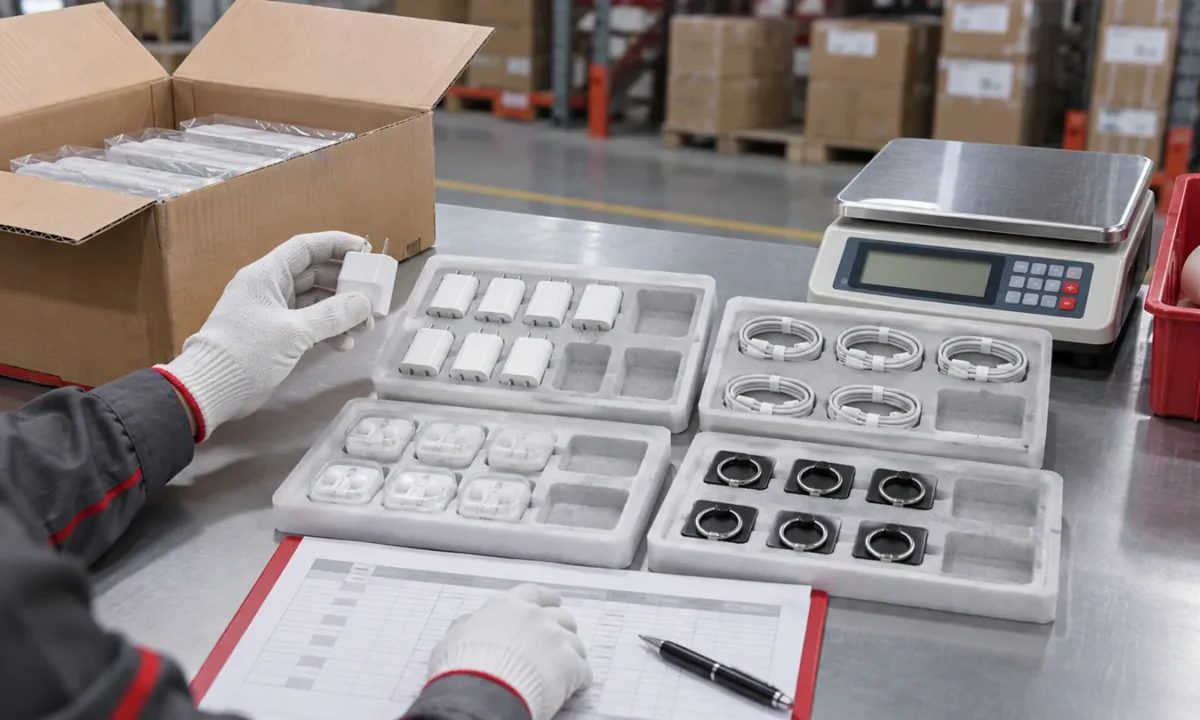
Quick summary: Supplier short shipment reconciliation compares the quantities ordered, declared, physically received and accepted. Resolve differences with traceable evidence and written instructions before combining goods or treating the purchase order as complete.
1. Why an inbound shortage needs a separate decision
A warehouse receiving fewer units than expected does not automatically prove that the factory packed too few. A partial dispatch, missing carton, incorrect unit of measure or count error can produce the same apparent shortage. Supplier short shipment reconciliation is the process of identifying the difference, checking its cause and agreeing how to close the outstanding quantity.
For importers and wholesale buyers, the commercial risk is shipping an incomplete assortment overseas before the discrepancy is understood. Keep the receiving record factual: distinguish what the supplier declared from what the warehouse actually checked. A sealed-carton receipt does not establish the quantity of every unit inside.
2. Follow a supplier short shipment reconciliation workflow
2.1 Reconcile documents before recounting stock
Compare the approved purchase order, supplier dispatch notice, carrier receipt and inbound record. Confirm whether quantities refer to individual pieces, sets, inner packs or cartons. Ask whether another dispatch is planned and retain its expected quantity separately from the current receipt.
| Quantity field | Evidence to retain |
|---|---|
| Ordered | Approved purchase order and revision |
| Declared shipped | Supplier packing list and dispatch reference |
| Cartons received | Receipt count, carton IDs and visible condition |
| Units checked | Count method and identified SKUs |
| Accepted or held | Quality decision and exception reference |
| Outstanding | Open quantity and agreed resolution |
Trade.gov describes a packing list as an itemization of package contents. Use it as a comparison document, not as proof that its declared contents were received. Preserve the original packing list when corrections are proposed.
2.2 Preserve evidence and obtain a written resolution
If the discrepancy remains, isolate the affected cartons where practical and recount the agreed scope. Record carton identifiers, photos, count sheets, inspection date and the people performing the check. Photographs of closed cartons alone cannot demonstrate an internal unit shortage.
Send the supplier a concise discrepancy notice stating expected and observed quantities, evidence and the requested response. Possible resolutions include a replacement dispatch, an authorized credit, a corrected order quantity or further investigation. These are commercial options, not automatic entitlements. The contract, evidence and parties' agreement determine the outcome; follow any applicable notice deadlines.
3. Avoid closing a shortage through an inventory shortcut
Do not silently edit the purchase order to match received stock. Keep the original expectation and a separate adjustment trail. Also separate missing units from damaged or quality-held units: stock can be physically present without being approved for release.
Before multi-supplier consolidation, decide whether to wait, ship the accepted quantity or split the order. Record any additional handling or freight approval. Coordinate the supplier response through China purchasing support and keep quality-held stock distinct from shipment shortages. Do not assume a logistics service provider can recover losses or issue supplier credits without authorization.
4. Frequently asked questions
Does receiving a carton prove all its units arrived?
A: No. Carton-level receiving confirms the recorded carton count and agreed visible checks. Unit-level quantity confirmation requires an expressly agreed counting or inspection scope.
Can accepted goods ship while a shortage is unresolved?
A: They can be considered for release if the customer approves a partial shipment and its commercial, inventory and freight consequences. Record the unresolved balance and avoid marking the whole order complete.
5. Conclusion and next action
Supplier short shipment reconciliation should leave a clear record of the discrepancy, evidence, decision and remaining balance. Send Oushine your supplier order, packing list, SKU quantities and receiving requirements to request a written receiving and coordination scope. Detailed unit counts, expanded inspection and rework depend on the agreed quotation.
Source and scope — reviewed November 24, 2026: This is an operational checklist, not legal or claims advice. Document background:
- [International Trade Administration — Packing list](https://www.trade.gov/packing-list))