

LCL vs FCL Shipping From China: Volume, Risk and Cost Guide
LCL shares container space with other shippers and is normally considered when cargo does not justify a full container. FCL gives one shipper the container's usable capacity and greater control over loading and sealing. The decision should compare complete origin-to-destination charges, handling steps, cargo characteristics and schedule — not rely on one universal cubic-meter threshold.
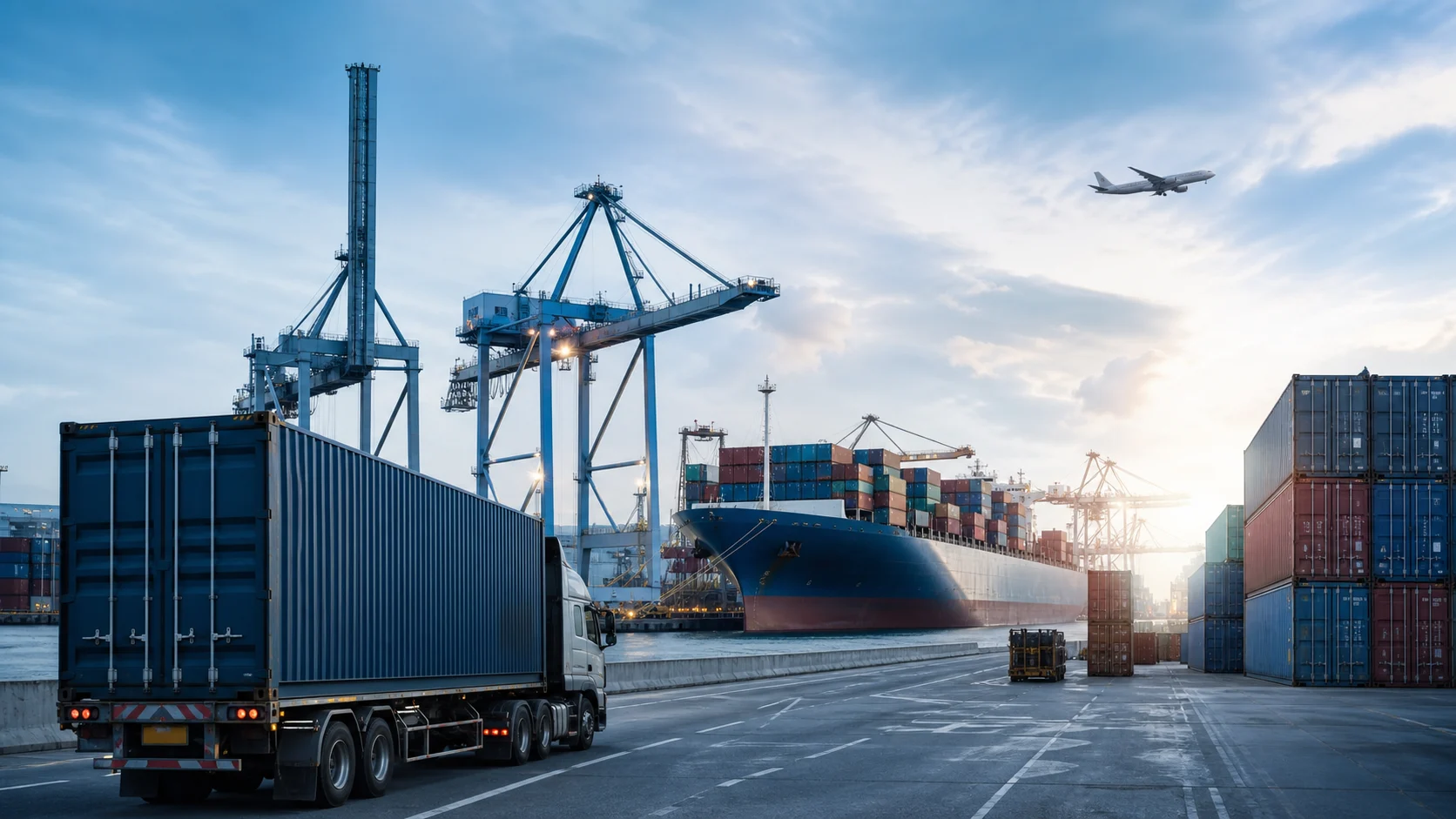
Article summary: LCL shares container space with other shippers and is normally considered when cargo does not justify a full container. FCL gives one shipper the container's usable capacity and greater control over loading and sealing. The decision should compare complete origin-to-destination charges, handling steps, cargo characteristics and schedule — not rely on one universal cubic-meter threshold.
1. What LCL and FCL Mean
LCL (less-than-container load) cargo is consolidated with other shipments at origin and deconsolidated at destination. FCL (full-container load) means the shipper uses the container under one booking, although the container does not have to be physically full.
People searching for LCL vs FCL shipping from China have commercial-investigation intent. They usually know their cargo is moving by sea but need to choose the container model and understand why quotes contain different charge lines.
| Factor | LCL | FCL |
|---|---|---|
| Space | Shared with other shipments | Dedicated container booking |
| Origin handling | Consolidation warehouse required | Container loading arrangement required |
| Destination handling | Deconsolidation before release | Container/terminal release process |
| Shipment size | Smaller commercial loads | Larger or container-suitable loads |
| Handling events | More cargo handling during consolidation | Less handling of individual cartons after loading |
| Cargo separation | Shared environment | Buyer controls its own load plan |
| Cost structure | Often by volume/weight plus minimum and local charges | Container rate plus equipment, terminal, trucking and related charges |
These are operating patterns, not guaranteed outcomes. Route, port, season, carrier and destination charges can change the result.
2. How to Compare LCL and FCL Quotes
2.1 Use Final Packed Cargo Data
Provide:
- Product description
- Carton or pallet count
- Dimensions of each package type
- Gross and net weights
- Total volume
- Stackability
- Cargo-ready location and date
- Destination address/postcode
- Special-cargo details
- Commercial value and insurance decision
Estimated dimensions should be marked as estimates. Repackaging, palletization and consolidation can change total volume and weight.
2.2 Compare the Complete Route
An LCL ocean rate can look low before minimums, consolidation, documentation, destination deconsolidation and delivery. An FCL rate can omit container trucking, waiting time, loading, terminal, chassis/equipment or destination return costs.
Build a like-for-like table:
| Charge or responsibility | LCL quote | FCL quote |
|---|---|---|
| China pickup | ||
| Origin warehouse/loading | ||
| Export clearance/documentation | ||
| Ocean freight | ||
| Origin/destination terminal charges | ||
| Consolidation/deconsolidation | ||
| Import clearance and broker | ||
| Duties/taxes | ||
| Examination/storage exceptions | ||
| Final delivery | ||
| Free time and delay charges |
Ask whether the quotation is port-to-port, door-to-port, port-to-door or door-to-door. Confirm the Incoterm and named place using official ICC Incoterms 2020 resources.
2.3 Do Not Use a Universal Break-Even Volume
There is no reliable global rule that FCL becomes cheaper at one exact number of cubic meters. The break-even point depends on:
- Container type and usable load plan
- Origin and destination local charges
- LCL minimums and rate basis
- Delivery address and equipment availability
- Cargo weight and density
- Whether cargo can be stacked
- Port pairs, sailing and season
- Time and handling consequences
Request both quotations when the cargo is near the provider's route-specific crossover.
3. Cargo Risk and Handling Differences
3.1 LCL Handling and Shared-Container Exposure
LCL cartons move through a consolidation warehouse and share a container. Packaging should withstand repeated handling and interaction with other compatible cargo.
Confirm:
- Carton strength and closure
- Palletization or crate decision
- Moisture protection
- Whether goods are fragile, high value or sensitive to odor/contamination
- Stackability and orientation
- Labels and shipping marks
- Prohibited co-loading concerns
The consolidator should be told accurately about dangerous or restricted characteristics. Never misdeclare a product to avoid special handling.
3.2 FCL Loading Control
FCL allows a planned load sequence and a container seal after loading. The shipper still needs to manage weight distribution, restraint, moisture, container condition and unloading practicality.
Before loading:
- Inspect the container for visible holes, water, odor, contamination and structural concerns.
- Confirm product/carton count and load plan.
- Distribute weight appropriately.
- Use blocking, bracing or restraint as required.
- Photograph loading stages and final closure.
- Record the seal number.
- Provide accurate weight information.
The International Maritime Organization states that the verified gross mass of a packed container is required before it can be loaded under SOLAS. The shipper is responsible for verification and timely communication under the applicable process.
3.3 Customs and Importer Responsibility
LCL or FCL does not decide who is importer of record or who is responsible for product compliance. For U.S. destinations, CBP states that the importer remains ultimately responsible for compliance even when using a customs broker in its broker guidance. Confirm destination rules with qualified professionals.
3.4 Schedule and Delay Exposure
LCL needs consolidation before departure and deconsolidation after arrival. FCL requires equipment, loading, terminal and container-return coordination. Either mode can be delayed by schedules, documentation, customs examinations, congestion or missing information.
Ask the provider to identify:
- Cargo cutoff
- Estimated departure and arrival
- Consolidation/deconsolidation allowance
- Transshipment plan
- Clearance document deadline
- Delivery appointment needs
- Free-time and storage/demurrage/detention exposure
Avoid presenting estimates as guarantees.
4. A Practical Decision Framework
4.1 LCL May Fit When
- Cargo is materially smaller than a practical container load.
- The goods can tolerate consolidation handling.
- The shipment is not highly sensitive to shared-container conditions.
- Destination LCL charges are transparent and acceptable.
- Inventory can support the schedule.
4.2 FCL May Fit When
- Cargo volume or route pricing makes a container competitive.
- The buyer wants loading and seal control.
- Goods are fragile, awkward, high value or sensitive to co-loading.
- The destination can receive and unload the container.
- The shipper can manage container loading, weight and return timing.
4.3 Common Mistakes
- Choosing LCL from ocean rate alone and ignoring destination charges.
- Choosing FCL without confirming delivery-site access or unloading.
- Treating “full container” as permission to exceed weight limits.
- Providing product weight without packaging, pallet or container data.
- Assuming cargo insurance is automatically included.
- Ignoring moisture and load restraint.
- Booking before all consolidated suppliers are ready.
5. Frequently Asked Questions
Q1: What is the main difference between LCL and FCL?
A: LCL shares container capacity and requires consolidation/deconsolidation; FCL gives one shipper a dedicated container booking and control over its load and seal.
Q2: At what volume is FCL cheaper than LCL?
A: There is no universal break-even volume. Ask for both complete door-to-door quotes using final packed data when your shipment is near the route-specific crossover.
Q3: Is FCL safer than LCL?
A: FCL generally reduces handling of individual cartons after loading and avoids mixed cargo, but safe transport still depends on container condition, packing, restraint, weight, route and handling.
Q4: Can goods from multiple Chinese suppliers move in one FCL?
A: Yes, when they are received, identified and consolidated before loading. The warehouse must control SKU/carton counts, documents, loading plan, weights and seal evidence.
6. Conclusion and Oushine Next Step
LCL versus FCL is a route-specific commercial decision. Compare complete charges, cargo handling, site capability, schedule and risk from the same final packed data.
Send Oushine supplier addresses, product description, carton/pallet data, cargo-ready dates, destination, value, special-cargo details and delivery-site constraints. Oushine can coordinate consolidation and return comparable LCL and FCL DDP scopes where available.
Sources and Methodology
- ICC Incoterms 2020 — official delivery-term resources
- IMO: Safe Transport of Containers — SOLAS verified gross mass context
- U.S. CBP: Do I Need a Customs Broker? — importer responsibility for U.S. destinations
Editorial note: Ocean rates, local charges, free time and schedules change. Use live route-specific quotations and destination advice. Last reviewed: 5 August 2026.